
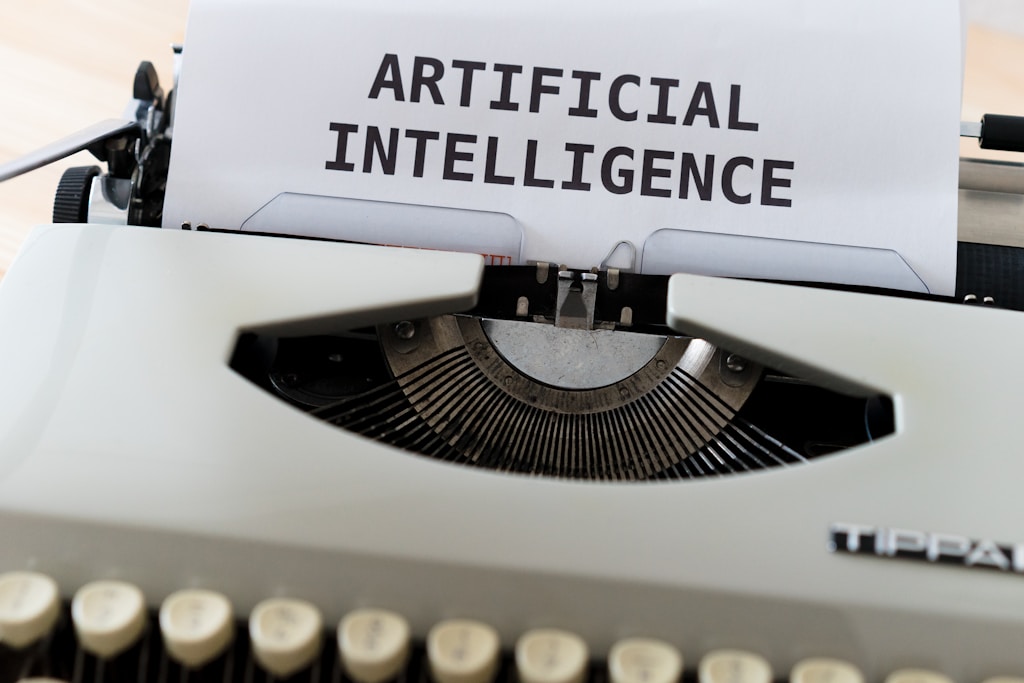
Have you ever been scrolling through Amazon or browsing your favorite online bookstore and felt like something was just... off? Maybe the cover looked a bit too glossy in a weird way, or the author's bio sounded like it was written by someone who had never actually met a human being. If so, you've likely encountered the "AI flood" currently reshaping the world of books.
We're living through a fascinating, slightly chaotic era where Artificial Intelligence isn't just a sci-fi trope anymore—it's an active participant in the publishing industry. From the way books are written to how they are sold in markets like Germany, the landscape is shifting from a handcrafted, artisan workflow to a data-driven, industrial one. But don't worry—your favorite authors aren't being replaced by silicon chips just yet. Let's dive into how AI is changing everything, what it means for readers, and how the German market is navigating this brave new world.
For centuries, publishing a book was a slow, deliberate process. An author would spend years writing, an editor would spend months polishing, and a publisher would spend a fortune on marketing. AI has flipped the script by dramatically speeding up every step of this journey.
Today, AI is being used as a sort of "turbocharger" for production. It's helping with everything from brainstorming plot twists and outlining to copyediting and manuscript screening. For publishers, this means "manuscript triage"—using AI to quickly sort through thousands of submissions to find the next big hit—is becoming the norm. It makes the industry more efficient, but it also carries risks; if a publisher relies too much on AI for editing without a human safety net, we end up with books full of plausible-sounding but totally inaccurate information.
One of the coolest benefits, however, is in translation and localization. Traditionally, it was incredibly expensive for a German author to get their work translated into English or Spanish. AI is now accelerating these workflows, helping publishers reach global markets much more cheaply. This is a game-changer for mid-list authors who previously couldn't afford a professional translator, allowing German stories to find a global audience almost instantly.
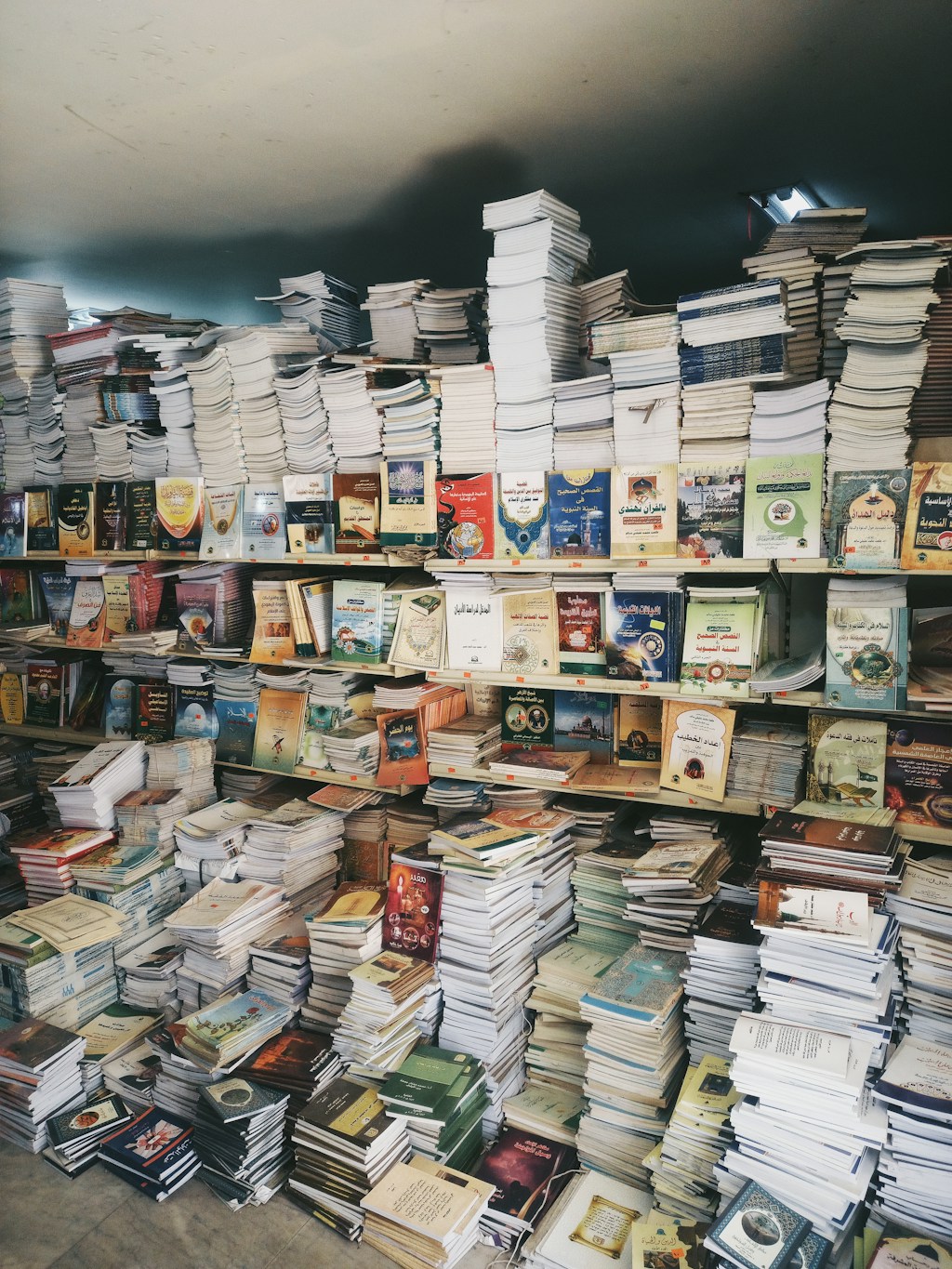
If it feels like there are more books than ever, it's because there are. In 2025 alone, self-publishing volumes in the US exploded to over 4 million books, a massive 39% jump from the year before. Industry experts estimate that at least 10% of these new titles had significant AI help by late 2025, and in certain niches, that number is even higher.
For example, if you look at the "Success" self-help subgenre on Amazon, a study of 844 books found that a staggering 77% were likely AI-written, and 90% of those showed AI elements in their descriptions. Similar trends have hit children's non-fiction, where hundreds of AI-generated titles—many of them riddled with errors—have been spotted.
This "flood" has led to some pretty weird situations. In 2023, dozens of low-quality AI books flooded the "Teen Romance" top 100 on Amazon, briefly ranking high through click-farming before they were caught and removed. To combat this, platforms like Amazon have had to step in, limiting authors to publishing just three books per day to curb the spam.
With all this AI activity, you might expect a robot to have won a Pulitzer by now. But here's the reality: as of early 2026, no fully AI-generated book has achieved mainstream bestseller status on major lists like the New York Times without significant human involvement.
AI is great at high-volume, low-stakes content like technical manuals or generic genre fiction, but it struggles with the depth, originality, and "voice" that make a book a true classic. We have seen "AI-assisted" successes, like Provocative Poems (2023), which hit bestseller ranks in its niche, but even that relied on heavy human prompting and editing. There are also services like BookByAnyone that have sold around 150,000 custom "personalized" books, but these are often "pay-to-play" and lack broad critical success.

The truth is, human taste and trust are becoming more valuable, not less. In a world of infinite AI "slop," we find ourselves craving the unique perspective and emotional resonance that only a human author can provide.
So, how is Germany handling this? While there isn't a specific "Anti-AI Book Task Force" in Berlin just yet, the legal framework is tightening significantly to protect both creators and consumers.
1. The EU AI Act: By August 2026, Germany will follow the EU AI Act, which requires clear labeling for AI-generated text, images, or audio that could seem authentic. If you're selling an ebook on Amazon.de that was written by a bot but mimics a human's style, you'll likely need to disclose that. Failing to comply could result in massive fines—up to 6% of global turnover.
2. Copyright Challenges: Under German copyright law (UrhG), a book must have a human creator to be protected. This means that fully AI-generated books often enter the public domain immediately because they lack "human authorship". This is a huge deterrent for professional publishers who want to own and protect the rights to their content.
3. Consumer Protection: Germany is also using its existing Unfair Competition Law (UWG) to target "AI washing"—where companies make misleading claims about how much (or how little) AI was used in a product. While groups like the German publishers' association (VDS) are currently more focused on "high-risk" AI (like deepfakes in politics), the legal tools to protect readers from deceptive AI-generated books are already being sharpened.
Is the AI revolution scary? For many authors, it is. There are valid worries about lost income, copycat content, and their hard work being used to train AI models without their consent.
However, the most likely future isn't one where robots write everything. Instead, we're seeing a shift where AI becomes a powerful tool for humans. Authors who use AI well can gain speed and reach, while those who ignore it might find the market moving faster than they can keep up with.
In the end, the "biggest effect" of AI isn't the replacement of authors or publishers, but a total reworking of how books are created and shared. We might see more personalized books and faster translations, but human curation and judgment remain the keys to lasting success.
So, the next time you pick up a book, take a second to appreciate the human mind behind it. In an age of algorithms and data-driven "industrial" publishing, a truly great story is more precious than ever.